
The Fortuner and the Pajero Sport have a lot in common. Both are wagons built on a ute chassis, the HiLux under one and the Triton under the other. The Fortuner arrived in Australian showrooms in late 2015, and the new Pajero Sport replaced the Challenger at about the same time. On both, the year range on our listing does not line up with that date. If you pick a set for one of these by the year on the rego papers alone, a 2015, 2016 or 2017 car can end up with the wrong one.
This page sorts that out, model by model, and covers which windows each listing actually cuts. They are not all the same.
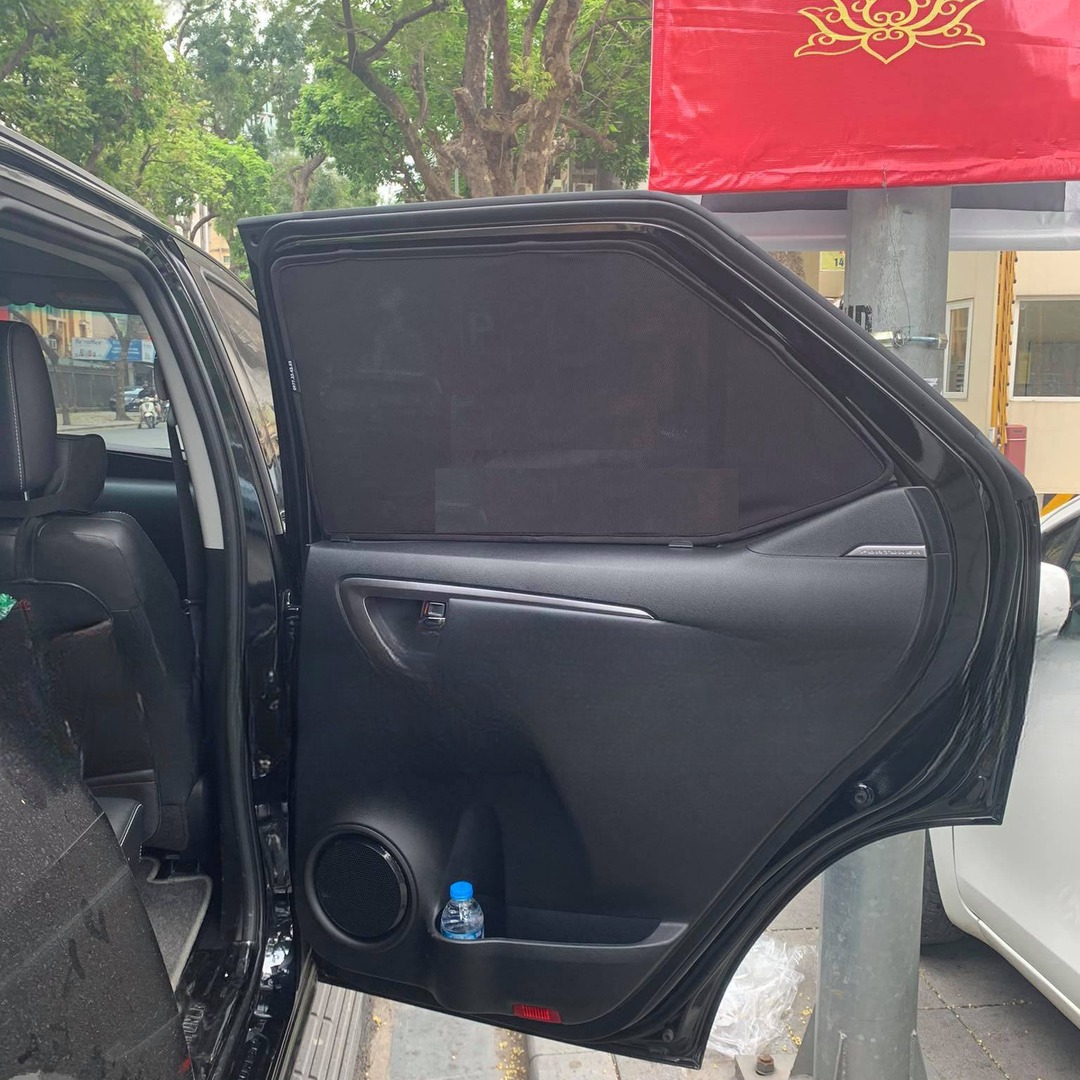
Which listing your car takes
| What you have | Sold here | Listing to order | Windows we cut | Mount |
|---|---|---|---|---|
| Toyota Fortuner | Late 2015 on | Fortuner 2017–2025 | Doors, third-row glass, tailgate | Rubber |
| Mitsubishi Challenger (PB, PC) | 2009–2015 | Pajero Sport 2009–2017 | Doors, glass behind the rear doors, tailgate | Magnets |
| Mitsubishi Pajero Sport (QE, QF) | Late 2015 on | Pajero Sport 2018–2025 | Front and rear doors only | Rubber |
| First-generation Fortuner | Not sold new here | Fortuner 2007–2016 | Doors, third-row glass, tailgate | Rubber |
Door pairs cost the same on all four: $49.99 for the front pair, $59.99 for the rear pair, $99.99 for all four doors. Where a listing has them, the third-row pair is $49.99 and the tailgate panel $59.99. The model pages for the Fortuner and the Pajero Sport carry the same listings.
Fortuner: ignore the 2007–2016 listing
Toyota Australia started selling the Fortuner in late 2015, and every one sold new here is the body you see in the photo above. The earlier Fortuner, the one our 2007–2016 listing is cut for, was sold in Asia and other markets but never through Toyota dealers in Australia. Unless you own a private import, that listing is not for you.
The catch is the start year on the right listing. It reads 2017–2025, while the Fortuners sold here in 2015 and 2016 are the same body. A 2016 Fortuner bought new in Australia takes the 2017–2025 set, not the older one, even though its year sits inside 2007–2016. If you want us to confirm before ordering, send a photo of a rear door, opened, and we will tell you.
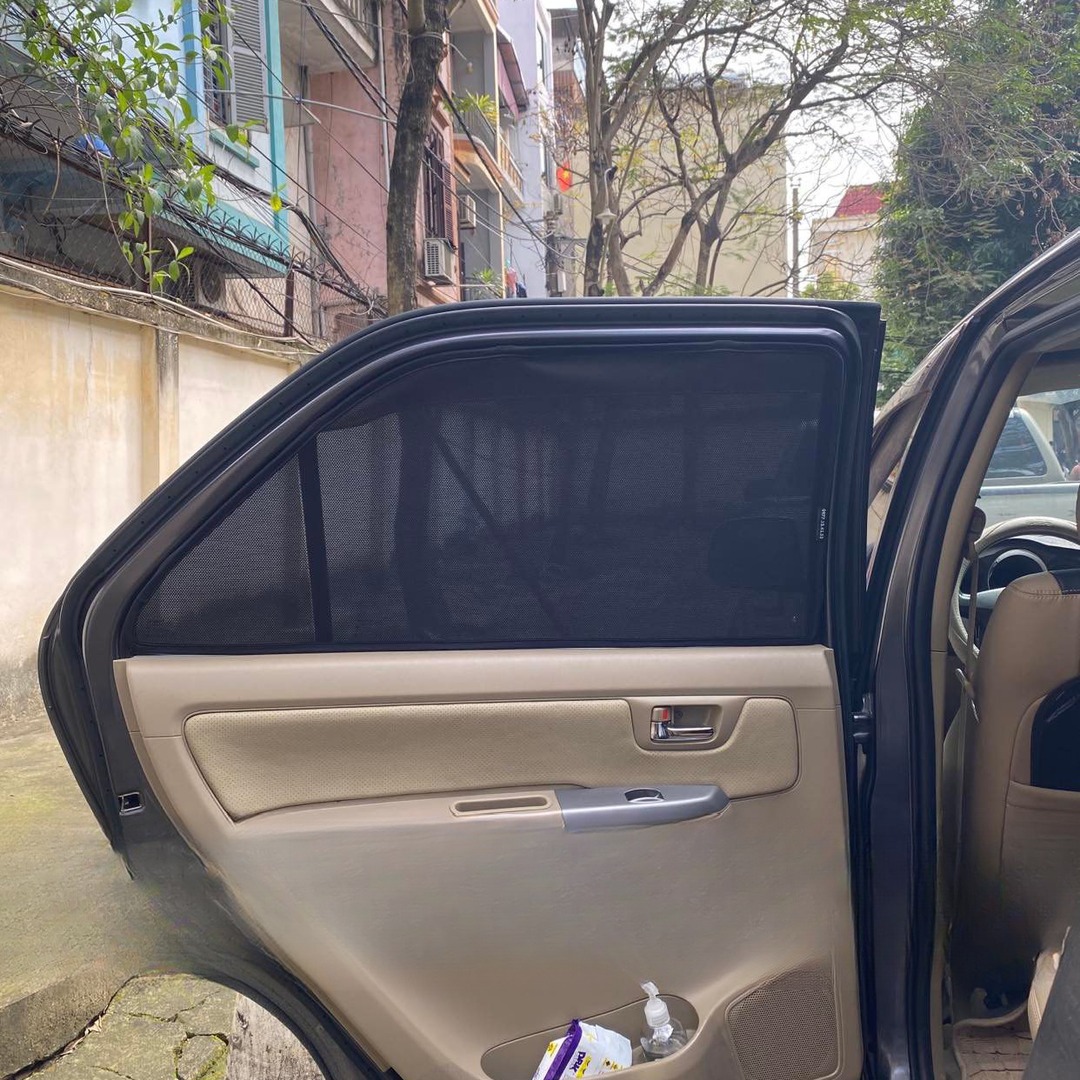
The first-generation car is easy to tell apart in person: a flat beige door card with a separate grab handle, against the darker trim and the silver strip that runs across the door on the car Australia got. The photo above is the old one.
What the Fortuner set covers
The Fortuners sold here are seven-seaters, so there is glass beside the third row as well as the doors and the tailgate, and the 2017–2025 listing cuts all of it. The rear door has a small fixed corner of glass at its back edge, separate from the window that winds down. The rear-door shade covers both as one panel, so there is no bright triangle left at the back of the door.
These shades use a rubber mount, not magnets. The door pairs and the tailgate panel are on the shelf at the moment. The third-row pair, and every combination that includes it, is made to order. If nobody sits in the third row, the rear doors at $59.99 are the place to start, or rear doors plus the tailgate at $108.99 when the back carries gear with the seats folded. A Fortuner that seats seven most days is a different case. Rear doors plus the third row is $99.99, and the complete set, tailgate included, is $199.99. The quarter and third-row guide has more on that back glass.
One thing a Fortuner set will not do is fit a HiLux, or the other way around. They share a chassis and nothing about the glass. The HiLux page covers the ute.
Pajero Sport: the Challenger came first
Here the confusion is the name. Mitsubishi sold the Triton-based wagon in Australia as the Challenger from 2009 to 2015. Most other countries called the same car the Pajero Sport, and that is the name on our listing: Pajero Sport 2009–2017, with Challenger recorded as an alias. If your rego says Challenger and the car was built 2009 to 2015, that listing is yours.
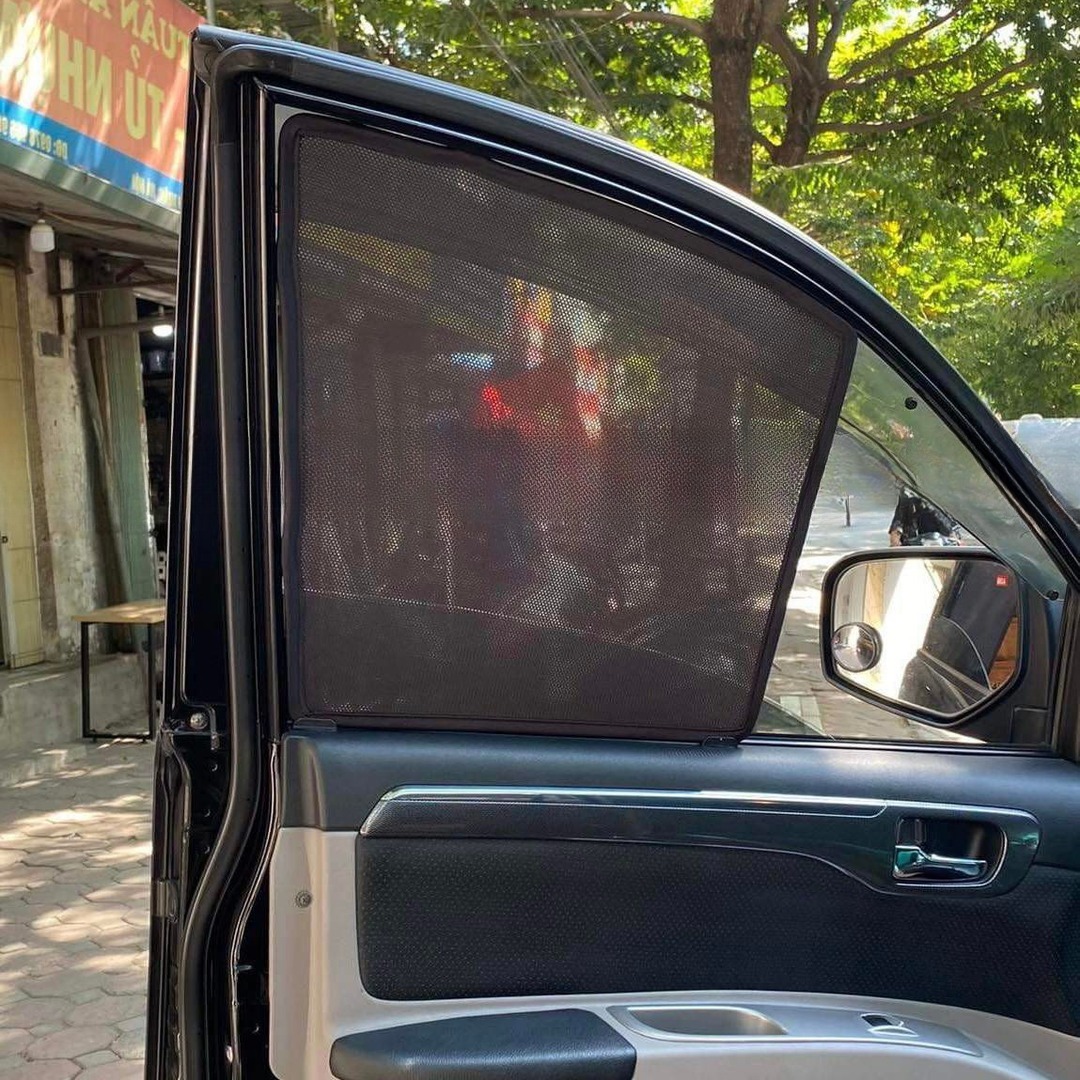
The Challenger set holds on with magnets. It covers the four doors, the pair of windows behind the rear doors (the listing calls them Third-Row Side Windows, which on a five-seat Challenger simply means that rear side glass), and the tailgate. The door pairs are in stock; the back windows, the tailgate and the bigger combinations are made to order. The front-door shade is cut short at the front corner so the mirror stays clear, as in the photo, but it is still for when the car is parked. Front side windows have to stay clear while you drive, and the road rules page explains why.
In late 2015 the replacement arrived and took the Pajero Sport name here as well. That car is a new body with different door glass, and it takes the 2018–2025 listing. The same trap applies as with the Fortuner: a 2016 or 2017 Pajero Sport is the new body, even though its year sits inside the 2009–2017 range. Go by the badge and the body, not the year. A Challenger badge means the 2009–2017 set. A Pajero Sport badge on a car built from late 2015 points to the 2018–2025 set, but that listing's years start at 2018, so if yours is a 2016 or 2017 car, send us a photo of a rear door, opened, and we will confirm it before you order.
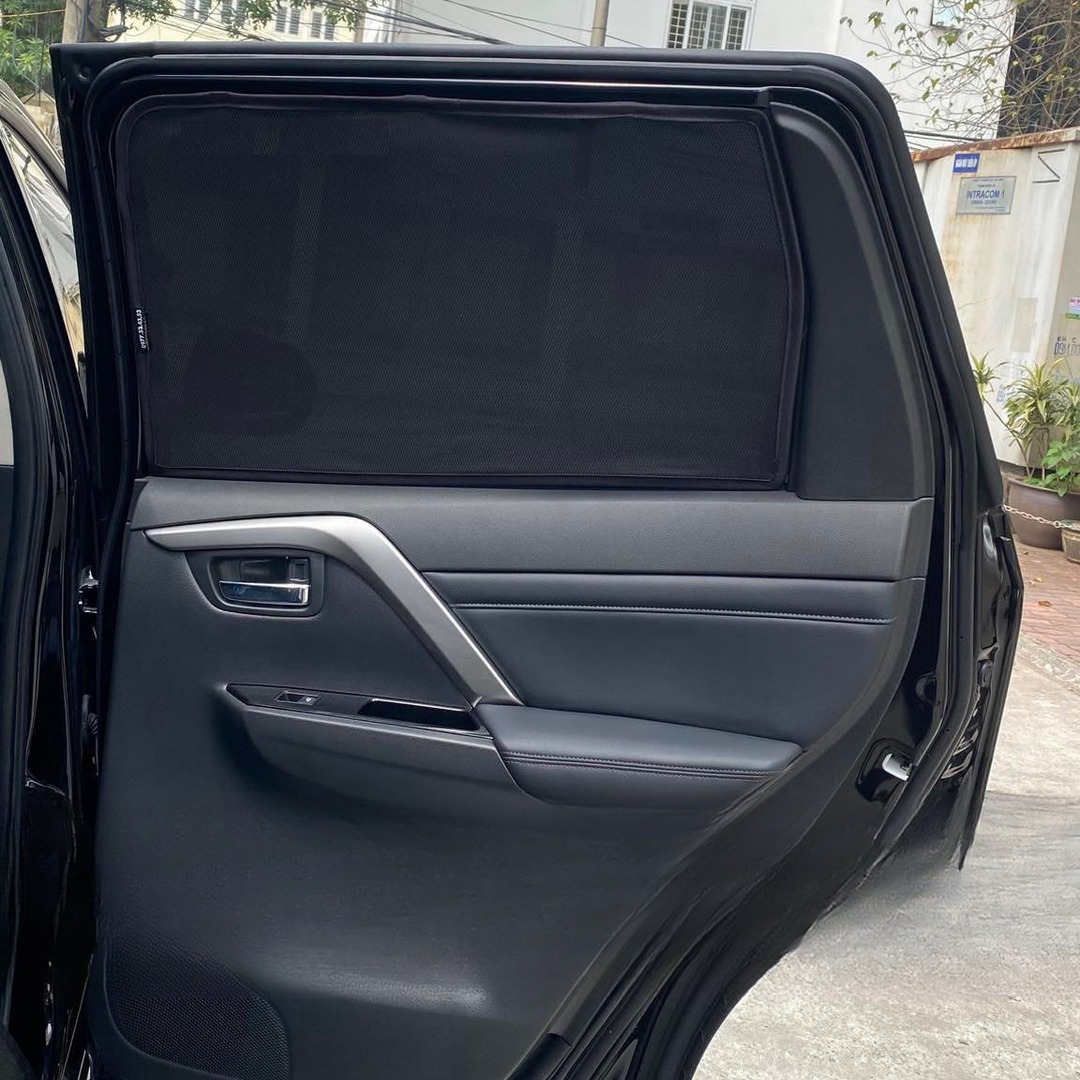
The 2018–2025 Pajero Sport set is doors only
This is the listing most current Pajero Sport owners will want, and it is narrower than the others on this page. It sells the front pair, the rear pair and all four doors, and nothing behind the rear doors: no third-row piece and no tailgate panel, even though the seven-seat versions have glass back there. It uses a rubber mount, and the door sets are in stock.
The most recent order on it came from New South Wales in September, for a 2024 car: all four doors, at $99.99. If the third row in yours carries kids, tell us. That piece is not on the listing yet, and requests are how listings get added.
What we do not cut
- The original Challenger. The first Challenger, sold here before 2009, has no listing.
- Third-row or tailgate glass on the Pajero Sport from late 2015. Doors only, as above.
- A first-generation Fortuner bought new in Australia, because there is no such car. If a set for one is in your cart for an Australian-delivered 2015 or 2016 Fortuner, swap it for the 2017–2025 listing.
If yours does not fit any row in the table, the measuring app lets you send us the windows for a quote. The guide to working out your generation covers build plates and badges in more detail.
Ordering
If yours is a 2015, 2016 or 2017 car of either make, send us the rear-door photo before ordering; for everything else the table above is enough. The third-row pair on the Fortuner is made to order, so allow time for it if you want it. The Mitsubishi list and the Toyota list have every other model we cut for both brands.
Ready to fit yours?
Custom-fit magnetic sun shades, made to your car's exact windows.
Can't find your car? Message your car model on WhatsApp